
Across many parts of the United States, winter storms are a frequent and sometimes severe part of the seasonal weather cycle. These storms can range from several inches of snow and icy roads to powerful blizzards that drop feet of snow, bring dangerously low temperatures, and leave communities without power or heat for days.
Because winter storms often develop with little notice and can disrupt transportation, utilities, and access to essential supplies, it's important for pet owners to prepare early. Having a plan in place ahead of time means you can ensure warm shelter, sufficient food and water, and supplies to keep your pets comfortable and safe when the weather starts to get ugly.
So, as you fire up the woodstove, gas up the generators, load up on flashlights and firewood, and work on other winter storm prep tasks, remember that you’ll also need to make some specific preparations for your pets, too. Follow these six tips to keep your pet safe and warm in the face of an upcoming storm.
1. Be Prepared for Power Outages
Winter storms and blizzards often bring power outages that can last for hours or even days. Planning ahead and anticipating that you’ll likely spend some time without heat, lights, or communication systems can go a long way in keeping your pets safe and comfortable.
When the power goes out and electric heating systems shut down, your home can often get very cold, very quickly, sometimes dropping into unsafe temperature ranges within hours. Our pets rely on a stable body temperature to keep their immune system, circulation, and metabolism functioning properly, so keeping them warm in the event of a power outage should be a major priority.
Prolonged exposure to cold indoor temperatures can lead to hypothermia, especially in small dogs, cats, seniors, and pets with chronic illness, so it’s crucial to have a plan ready for how you’re going to keep your dog or cat warm if the power goes out.
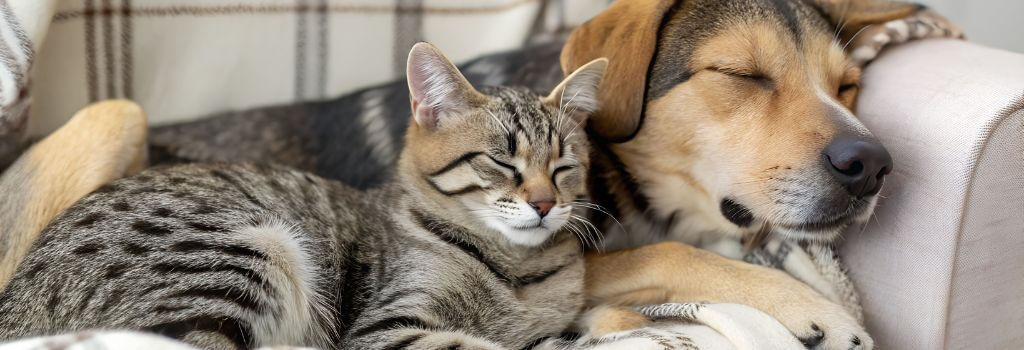
Using extra blankets or insulated pet beds and keeping pets confined to one smaller, draft-free room are great options to help your pet conserve heat and keep themselves warm. Body heat sharing, such as allowing pets to rest near family members or snuggle up to one another, can also help maintain warmth and soothe more anxious pets. Just be sure to avoid using outdoor grills or fuel-powered heaters indoors, as carbon monoxide exposure is extremely dangerous for both pets and people.
Lighting is another often overlooked concern during winter storms. Poor lighting and reduced visibility can increase the risk of falls, injuries, or pets slipping out of doors unnoticed, so good, reliable light sources should be things you have at the ready during a winter storm. While candles and other basic light sources can be great for certain rooms in your home, they aren’t always ideal for helping your pets get around outside to use the bathroom. Be sure to have easily movable light sources like battery-powered lanterns, headlamps, or flashlights so you can safely take your pet outside for bathroom breaks if needed.
If you and your pet do need to venture outside anytime during or after the storm, be very aware of your surroundings and any dangers that might come with the storm. Downed power lines, fallen trees, ice-covered debris, and broken fencing can all pose serious risks to you and your pet, so watch your step and plan your movements outside carefully. Snow can obscure dangers that are normally visible, and pets may not recognize these hazards. Always keep dogs leashed during outages, even in fenced yards, and prevent pets from roaming freely in storm-damaged areas. To keep your pets safe, we recommend that you:
- Avoid walking pets near downed power lines, fallen branches, or damaged structures
- Keep dogs leashed even in familiar areas, as snow and darkness can make it hard to see dangers
- Prevent pets from chewing on or playing with cords, generators, or space heaters
2. Dress for the Weather
Not all pets are naturally equipped to handle freezing temperatures and may need a little extra help staying warm!
- Dogs with short coats, low body fat, or small body size lose heat more quickly.
- Cats, even those with thicker fur, are also vulnerable because they are not adapted for prolonged cold exposure.
- Senior pets and those recovering from illness often struggle to regulate body temperature and may need additional layers even indoors if temperatures drop.
Understanding the signs of cold stress and knowing when your pet is too cold can be invaluable during both winter storms and regular cold snaps. Shivering, reluctance to move, lifting paws off the ground, hunched posture, whining, or seeking constant warmth all indicate your pet may be too cold and needs your help to get their body temperature back up. Cold ears, tails, or paws can also signal heat loss. When these signs appear, adding warmth immediately and limiting outdoor exposure is essential to keeping your pet comfortable and safe.
If your area is expecting a winter storm anytime soon, having protective clothing, like sweaters or coats, at the ready is essential. These can help your pet maintain a safe body temperature and avoid complications like hypothermia or frostbite.
But don’t forget about your pet’s paws! Protecting your pet’s paws limits direct contact with ice, salt, and chemical deicers, which can cause skin irritation, painful cracking, and even gastrointestinal upset if ingested during grooming. Products such as paw balms help create a gentle barrier against these harsh surfaces, while booties offer an added layer of insulation and protection for pets who are comfortable wearing them.
3. Stock Up On Food and Medication
Severe winter storms can disrupt supply chains, delay deliveries, and make roads impassable. This is why veterinarians and emergency agencies recommend keeping an emergency supply of pet essentials on hand throughout winter.
At minimum, pet owners should aim to have enough food, fresh water, medications, and supplements to last five to seven days. In areas prone to blizzards or prolonged outages, a ten to fourteen-day supply is more realistic. If you have a pet on a prescription diet or specialty medication, try to plan ahead each winter and get a hold of an emergency stash early in the season, so that you’re not scrambling days or hours before the storm hits.
Additional planning beyond simply getting ahold of your pet’s medication may be necessary, so planning early and being aware of specific storage and administration guidelines for your pet's medication can make a big difference. Some medications must be refrigerated to remain effective, while others degrade if exposed to cold temperatures. During outages, insulated containers, coolers with ice packs, or temperature-stable storage areas can help protect these medications. If your pet relies on electrically powered medical equipment, such as oxygen or infusion devices, discuss backup plans with your veterinarian in advance.
It is also helpful to keep a written list of medications, dosages, and prescribing veterinarian contact information. If electronic records are inaccessible or you need emergency care during a storm, having this information readily available can save valuable time and get your pet the help they need faster.
4. Keep Pets Inside
During blizzards or extreme cold, bringing pets indoors – and keeping them indoors – is one of the most effective ways to protect them. Even breeds known for cold tolerance are at risk when temperatures drop rapidly, wind chills increase, or snow and ice limit mobility.

Outdoor pets are especially vulnerable to hypothermia and frostbite, which commonly affect ears, tails, and paws. Ice buildup can also cause injuries or prevent pets from moving normally, making many outdoor spaces especially hazardous.
Depending on the severity of the storm and the weather outside, you may also need to plan for some alternatives to basic functions in your pet’s routine. Dogs may need temporary indoor bathroom options, and both cats and dogs may need to temporarily swap their usual walks or time in the yard for indoor play, training exercises, and enrichment activities to reduce stress and boredom.
5. Cater Your Care to Your Pet’s Needs
Every pet responds to cold weather a little differently, and taking the time to understand your pet’s individual risk factors can help you tailor their care more thoughtfully during the winter months. Age, breed, body size, coat type, and overall health can all play a role in how well a pet can tolerate lower temperatures and prolonged exposure to cold conditions.
Puppies and kittens have limited ability to regulate body temperature, while senior pets often have reduced circulation and muscle mass, which makes it harder to stay warm. Smaller pets tend to lose body heat more quickly than larger animals, and short-haired or hairless breeds lack the natural insulation that helps retain warmth. Pets living with medical conditions such as heart disease, kidney disease, diabetes, or hormonal disorders may also be more vulnerable to the stresses of cold weather.
Cold weather can worsen chronic conditions such as arthritis and joint disease. Cold conditions often increase stiffness and discomfort, which may lead to reduced mobility and difficulty standing, walking, or navigating stairs. Offering warm, supportive bedding, providing non-slip surfaces, and maintaining consistent pain management can go a long way in keeping these pets comfortable during storms and extended cold spells.
Monitoring your pet closely during winter weather allows you to spot subtle changes in behavior that may signal discomfort or illness. Reduced appetite, lethargy, reluctance to move, or changes in bathroom habits should be taken seriously, especially during extreme conditions.
6. Create a Pet-Inclusive Emergency Plan
One of the most overlooked steps in winter storm preparation is having a clear emergency plan that includes pets. This plan should outline where you would go if evacuation became necessary, how you would transport your pets safely, and what supplies you would bring. Some shelters may not accept pets, so be sure to do your research ahead of time to find a safe place for yourself and your pet if you need to evacuate the area or leave your home.
Having a plan in place reduces panic, improves response time, and helps ensure that your pet remains safe and cared for, no matter how severe the winter storm becomes.
If you'd like more tips on how to keep your pet safe this winter, check out these lists of cold-weather safety tips from the ASPCA and the United States National Weather Service.
If you have questions and you'd like to reach out to us, you can call us directly at (928) 526-2423, or you can email us at [email protected]. Don't forget to follow us on social media Facebook, Instagram.